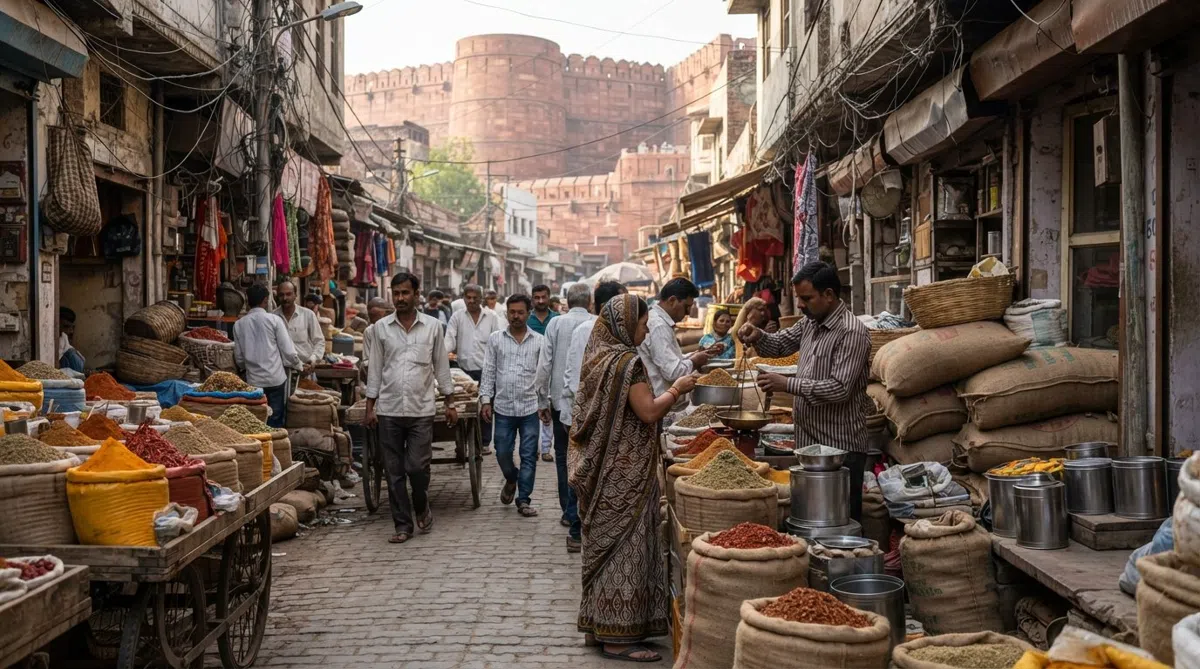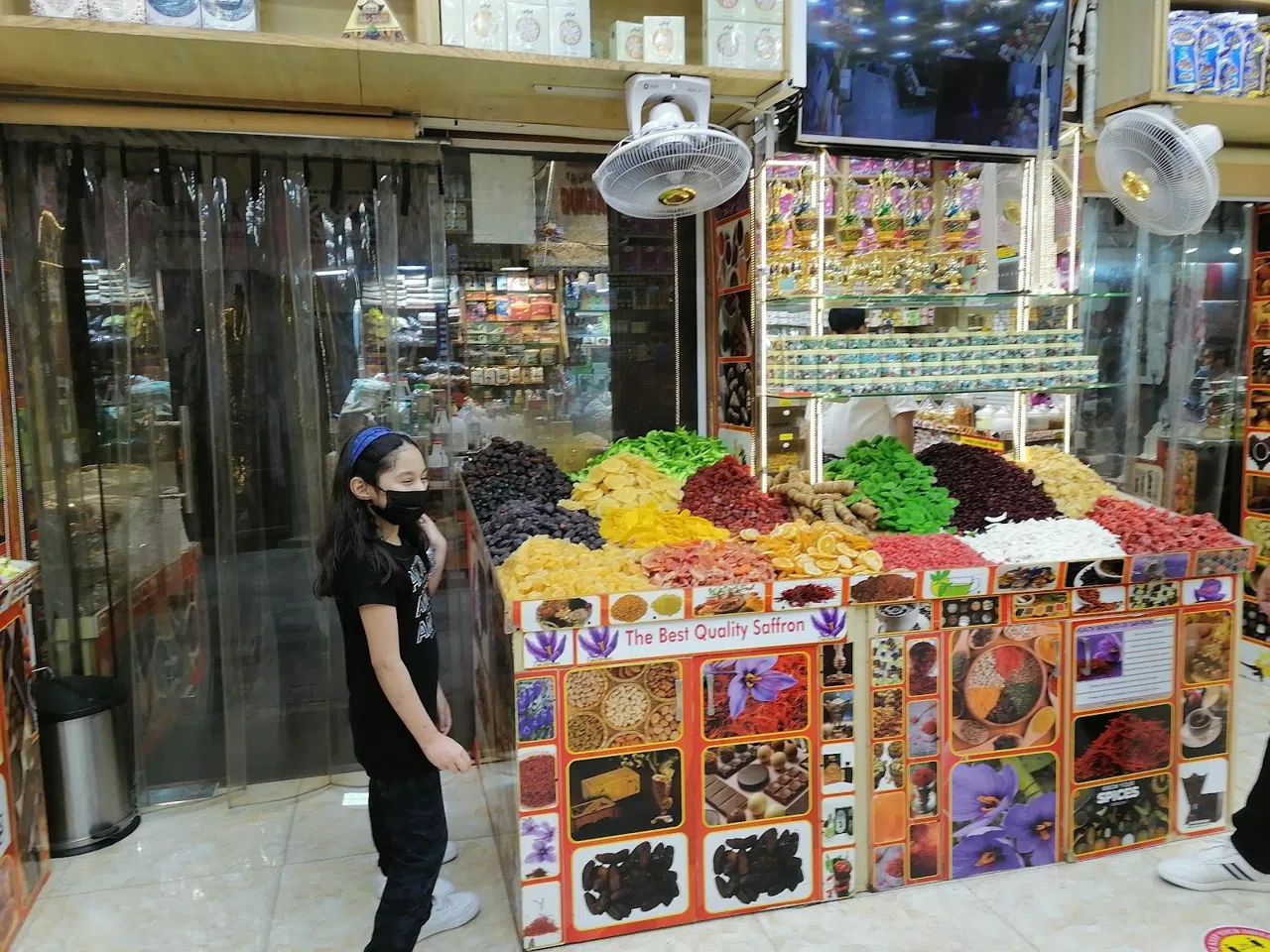
Just after seven in the morning, before the tour buses arrive, the Spice Souk in Deira smells like it did decades ago — cardamom, dried lime, frankincense resin stacked in burlap sacks under a corrugated roof, the trader unlocking his shutter with the same unhurried economy of movement his father used. Cross the creek by abra and the trade changes key but not tempo: bolts of Indian cotton instead of sacks of saffron, gold instead of grain. This is Old Dubai's working trade district, still doing business, not performing it for a camera.
The Spice Souk: Where the Walk Begins
The Dubai Spice Souk (Deira, by the abra station) is the natural first stop and the anchor of any route through Old Dubai's markets, because it's the one that has changed least. Traders have worked this strip of shopfronts since the 1850s, when Deira's position on the creek made it the transhipment point for spices moving between the Indian subcontinent, Persia and East Africa — long before oil, this was the economy. Many of the stalls are still run by the same families, generations on, and it shows in how little ceremony there is: no one hustles you at the door, prices are quoted by weight rather than tourist instinct, and haggling is expected rather than performed. Saffron, sumac, dried rose petals, frankincense, loose black lime — buy what you'll actually cook with, and ask for a smell before you commit to a bag; a good trader will let you. It's flat, short, and easy for a group of any size to wander at its own pace, which makes it the sensible place to start a walking route rather than end one.
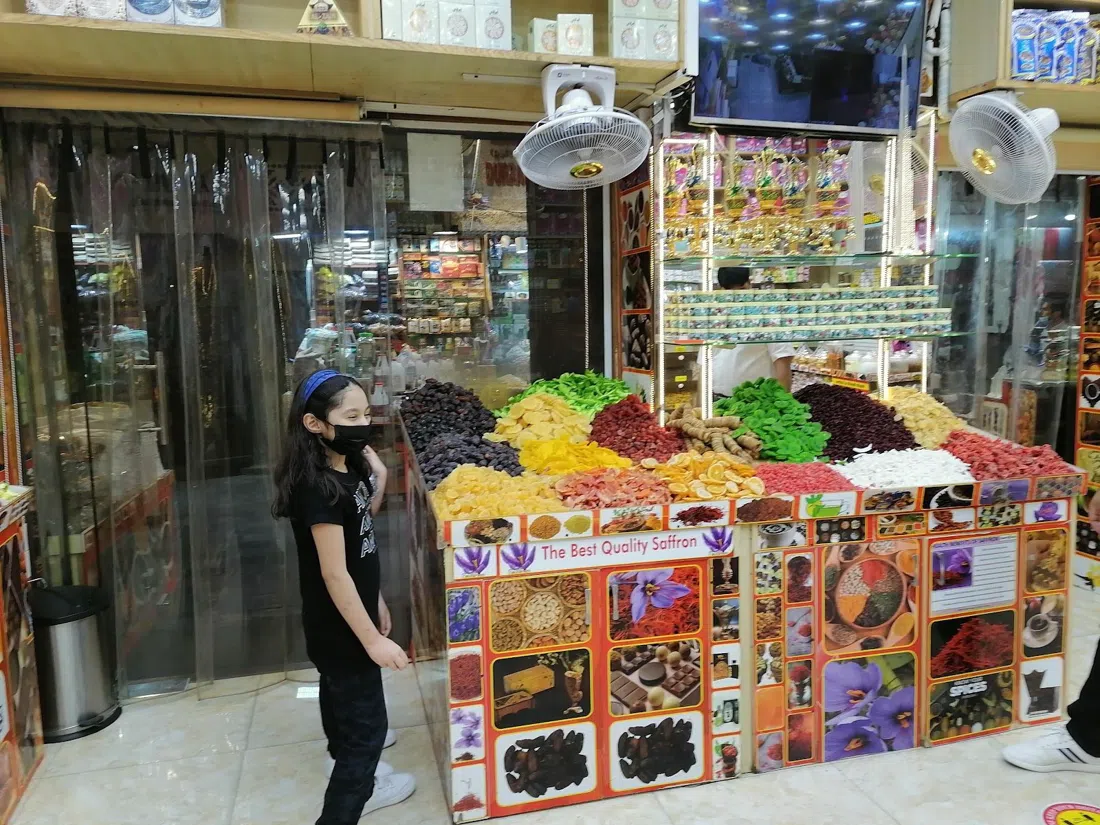
Gold and Scent: What the Spice Trade Built
Five minutes' walk from the spice stalls is the Deira Gold Souk (Deira), and the distance matters: it's a short enough walk to feel like cause and effect. This is the world's largest gold market by trading volume, a covered grid of shopfronts hung with more jewellery than most cities see in a decade, and it's the clearest evidence of how much wealth those old spice and textile routes actually generated. Gold here is priced by weight plus a workmanship charge, not by a fixed sticker, so the negotiation is really over the making charge rather than the metal — worth knowing before you walk in assuming there's a single price. The covered lanes are wide enough that a group can move through comfortably, though the actual buying happens one customer at a time at each counter.
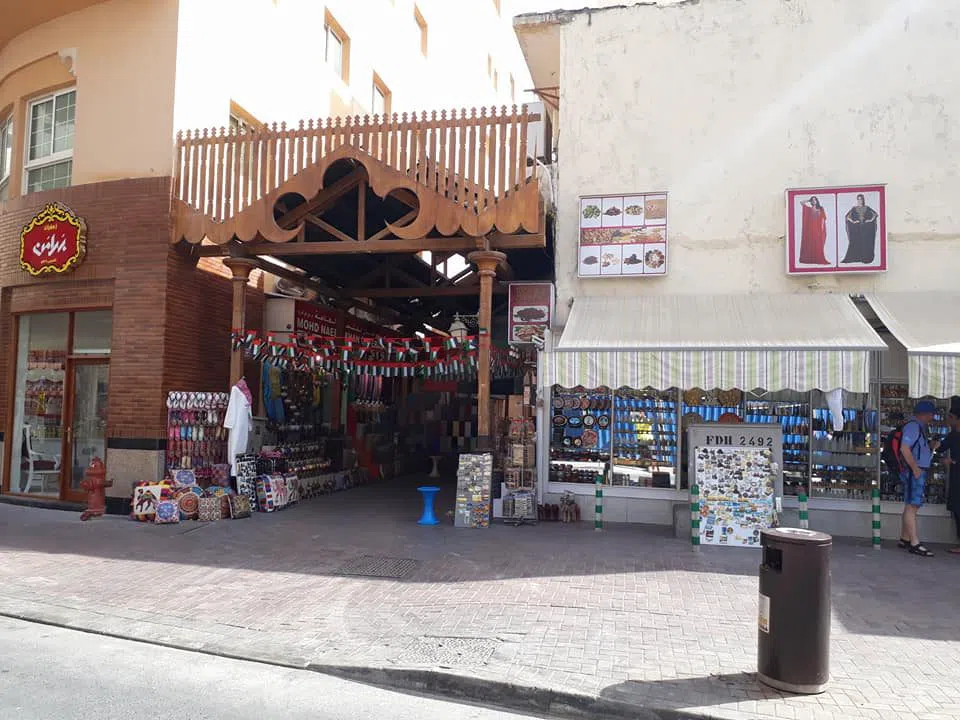
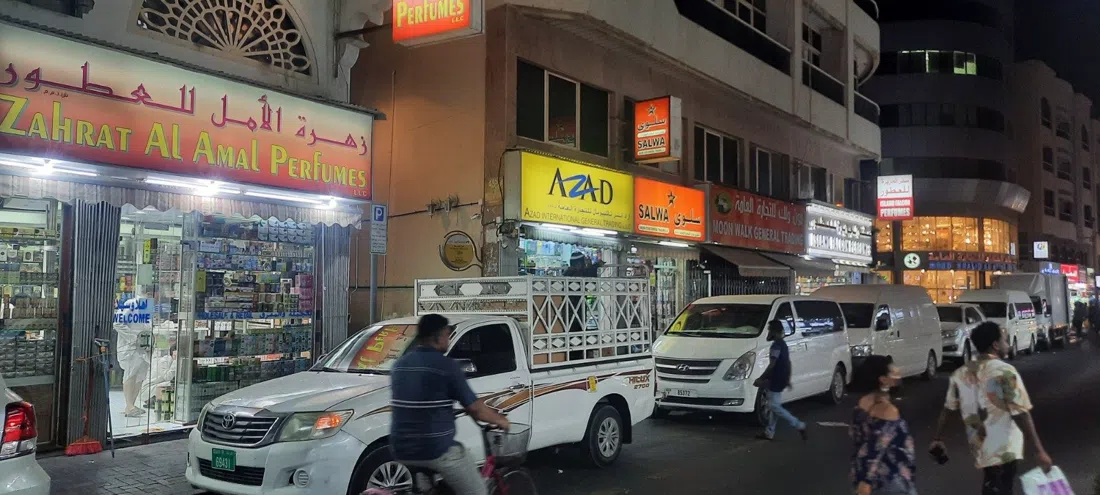
Between the Gold Souk and the Spice Souk, along Sikkat Al Khail Street, is the Perfume Souk (Deira), a quieter, smaller-scale stop that's easy to miss if you're moving fast. These are generations-old family perfumers selling attar and oud by the tola rather than the millilitre, which means prices span a genuinely wide range — a cheap synthetic oud and a real agarwood oil can sit two shelves apart at very different prices, and the shopkeeper will usually tell you which is which if you ask directly. The shops are small, so it works best in groups of two to four inside at a time rather than a whole party crowding one counter; if you're travelling with more, split up and compare notes outside. This is the olfactory centre of the walk, and it's worth slowing down for rather than treating as a five-minute stop.
Across the Creek: Cloth and the Quieter Lanes
The same abra crossing that once carried spice traders between the two banks of the creek now carries visitors, and it's worth taking rather than a taxi — it's the historically correct way to arrive at the Textile Souk (Bur Dubai, also called the Grand Souk or Old Souk). Bolts of Indian and Pakistani cloth line a wide, flat, covered walkway that's genuinely built for foot traffic, which is why tour groups gravitate here more than to any other market on this route. Fabric is sold by the metre with tailoring available separately, and this souk is the direct historical counterpart to the spice trade on the opposite bank — cloth, like spice, moved by dhow long before it moved by container ship.
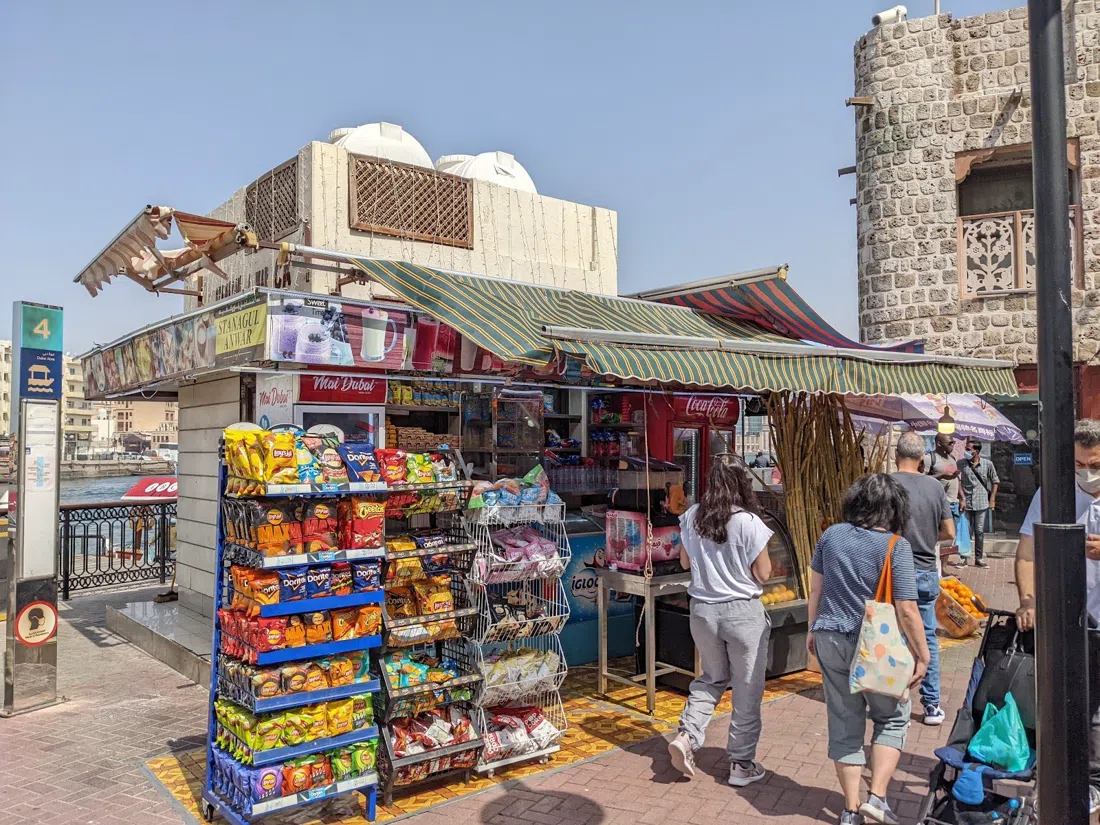
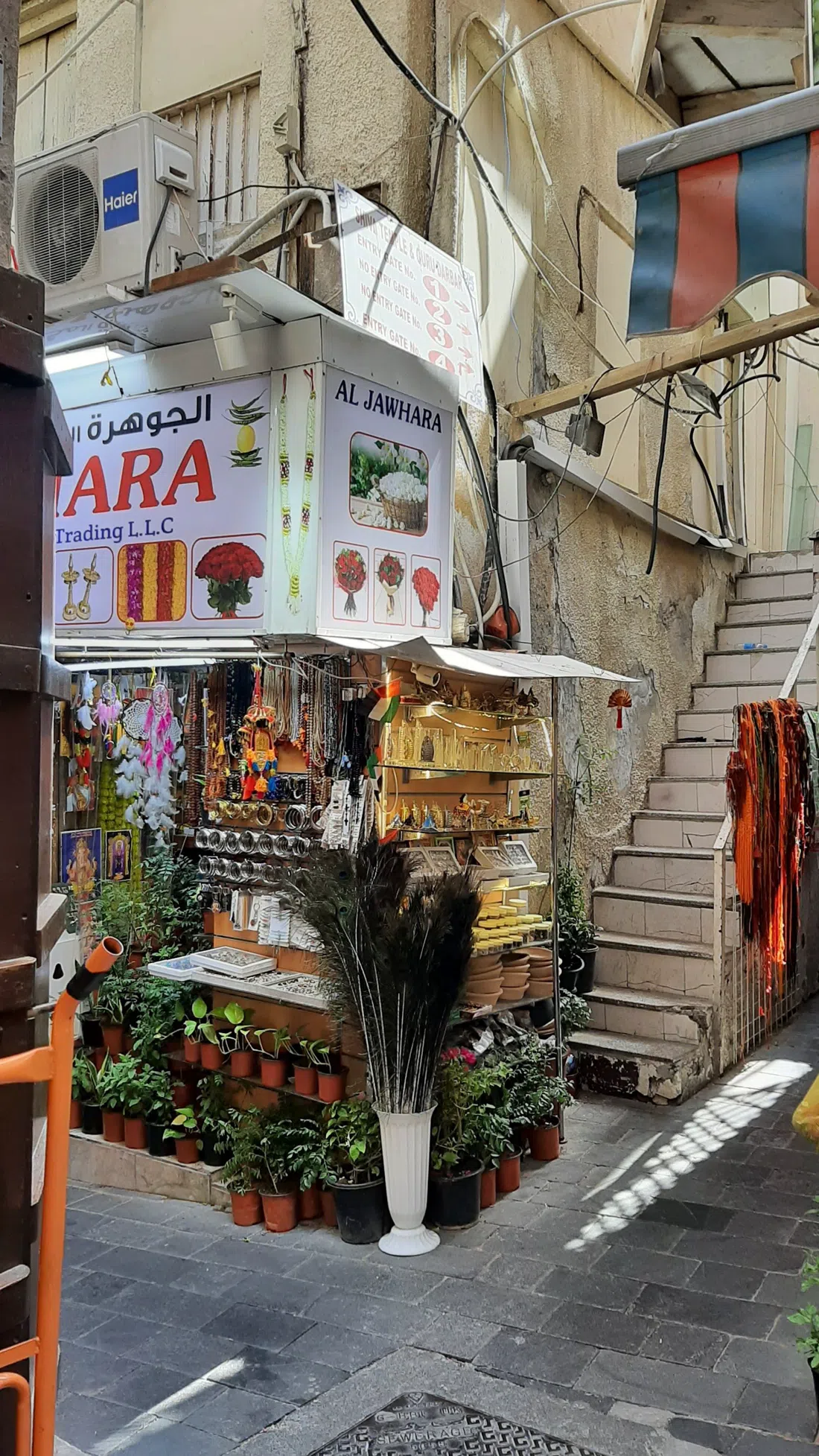
Off the Textile Souk, easy to walk straight past, is Hindi Lane (Bur Dubai), a narrow alley — single file in places — of small shrines, garland stalls and devotional goods that represents the South Asian trading families who settled and stayed rather than just shipped goods through. It only works in small groups; if you're with more than three or four people, let the lane thin you out naturally rather than trying to move through as a block. Most souk write-ups skip it entirely, which is a shame, because it's the clearest physical trace of the actual people behind the textile trade rather than just the goods.
The Paper Trail: Where the Deals Were Made
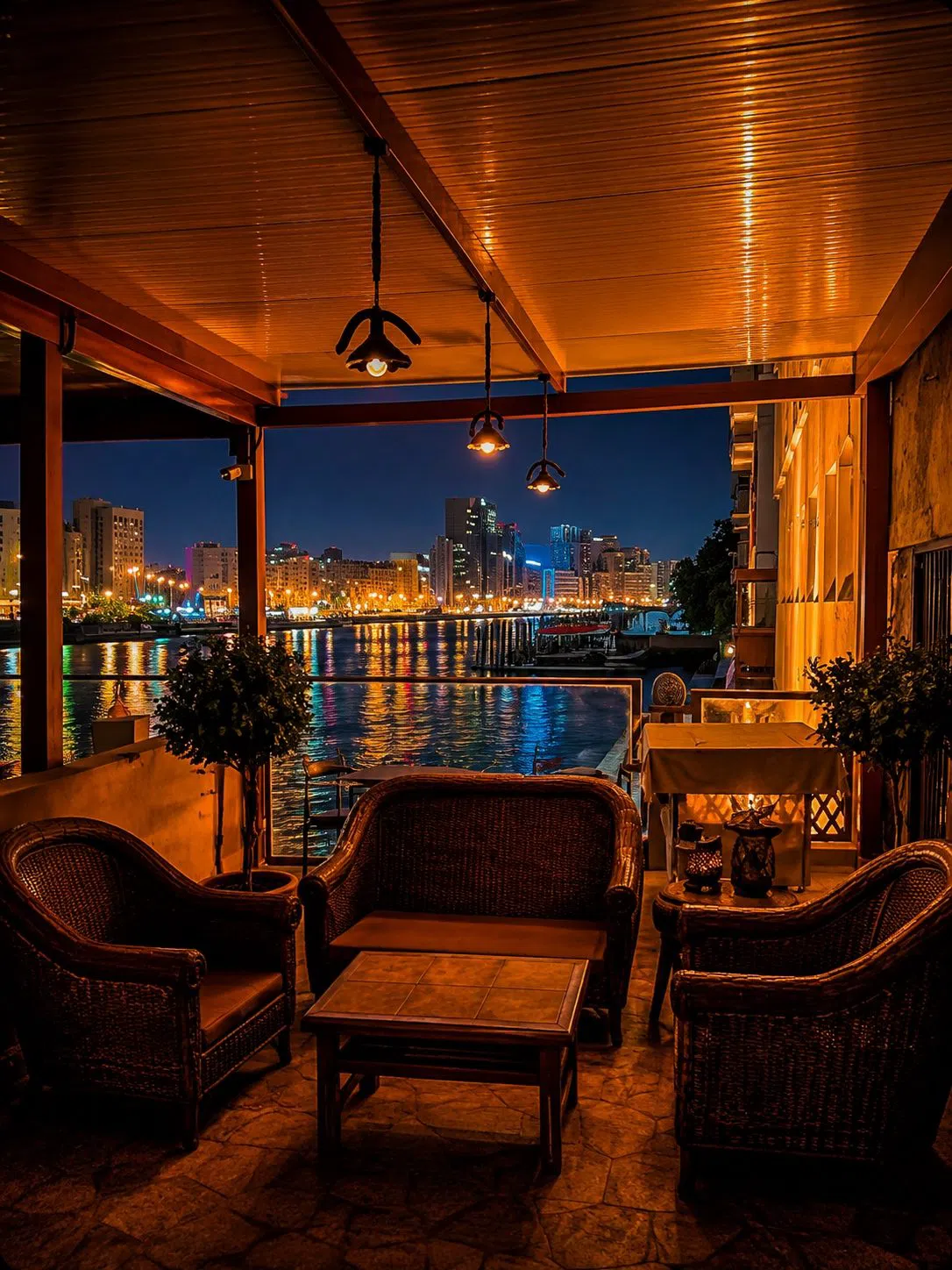
A few minutes from the Textile Souk, overlooking the same abra crossing, sits Bait Al Wakeel (Bur Dubai), worth knowing the history of before you sit down to eat. This building was literally the shipping agent's office for Gray Mackenzie, the trading company that handled much of the paperwork behind Dubai's pre-oil trade — the administrative twin to everything happening in the souks around it, the desk the goods were logged at rather than sold from. It's now a restaurant with a terrace directly over the water, taking group bookings, at roughly AED 80–150 per person for a meal; you're paying as much for the location as for the food, and that's a fair trade at the right time of day.
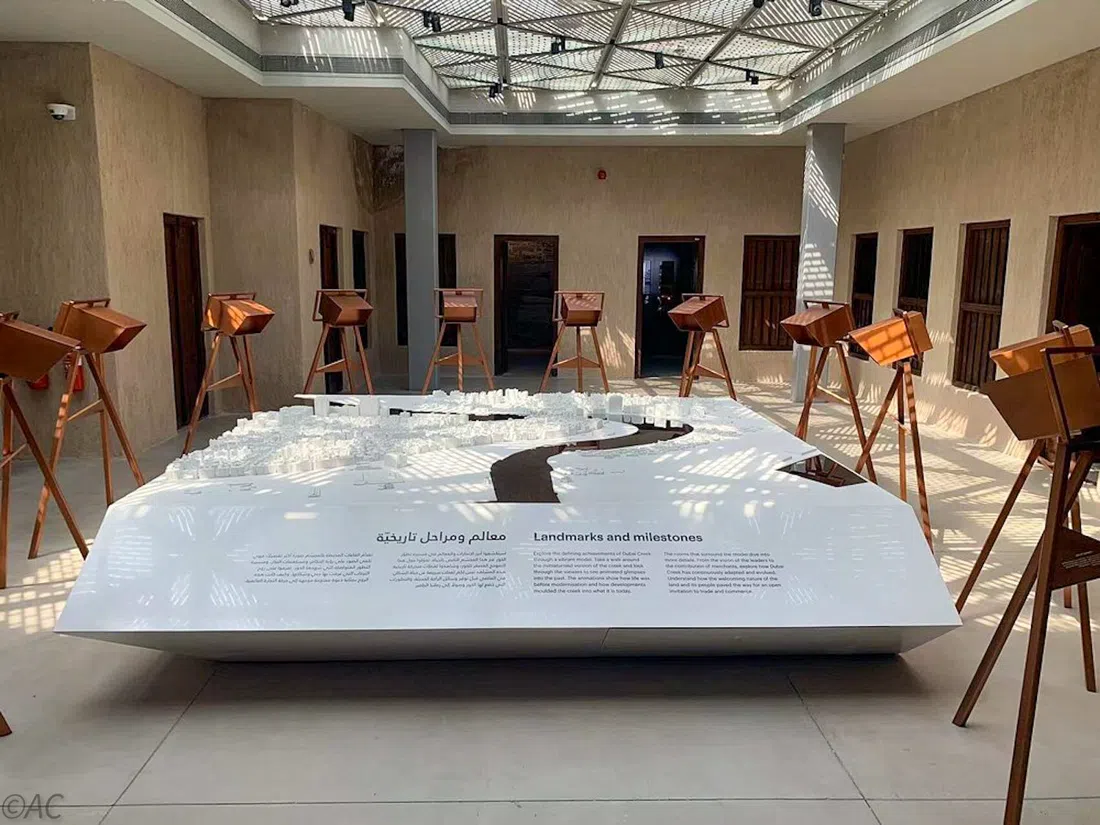
A short walk further on is the Al Shindagha Museum (Al Shindagha), housed in Sheikh Saeed Al Maktoum House, the former residence of the ruling family, standing more or less where trade boats once docked directly. Entry is AED 15 for adults and AED 5 for students, and it's built for group visits with ticketed entry rather than a squeeze-through house-museum. If the souks are the trade in motion, this is the trade's institutional memory — documented pre-oil history, not folklore, and it grounds everything you've just walked through in dates and names rather than atmosphere.
Dhow Wharfage: The Trade That Never Stopped
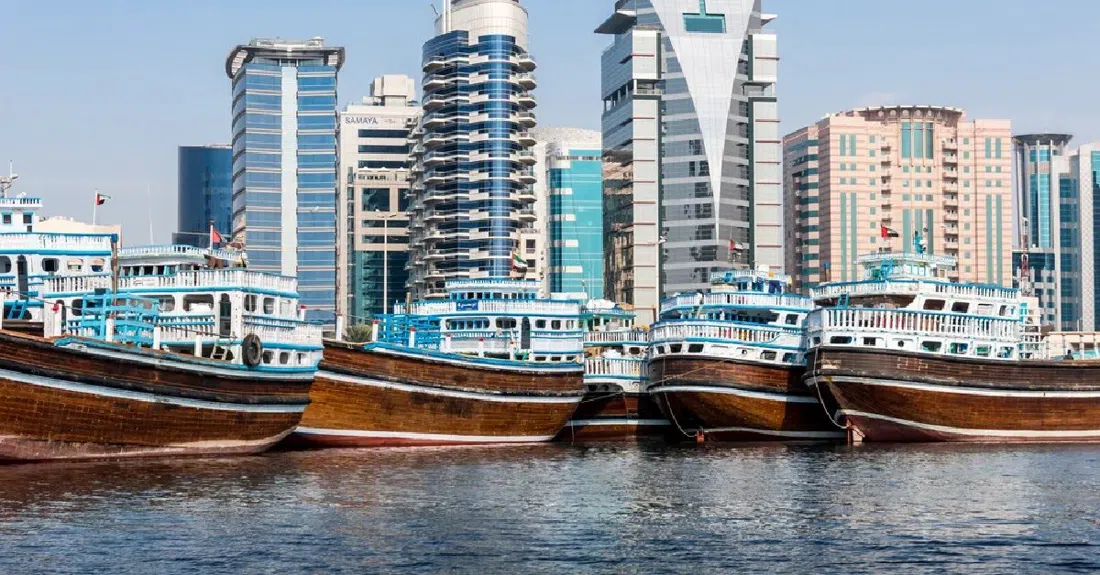
It's easy to treat all of this as heritage, so the corrective is the Dhow Wharfage (Deira), an open public promenade with no entry restriction and no ticket required. Wooden dhows still load and unload here — timber, tyres, electronics, dried goods — and the official trade figure is over two million tonnes a year moving through this stretch of water to ports around the Gulf and Indian Ocean. It's the one stop on this route that isn't a recreation of anything; it's the same trade the souks grew out of, just carrying modern cargo instead of spice sacks. Give it fifteen minutes at the end of the Deira side of the walk, ideally in late afternoon when loading is more active.
For a rougher, more local counterpoint to the polished tourist souks, Naif Souk (Deira) is worth a detour if you have the time. It's busier, cheaper, and far less curated — general goods and textiles sold at the budget end of the spectrum, patronised mostly by residents rather than visitors. It's still walkable in a small group, but it's a working neighbourhood market rather than a heritage attraction, and it's the honest contrast to everywhere else on this route: this is what most of the old trade actually looked like day to day, before curation.
The New Age: Where the Old Trade Went
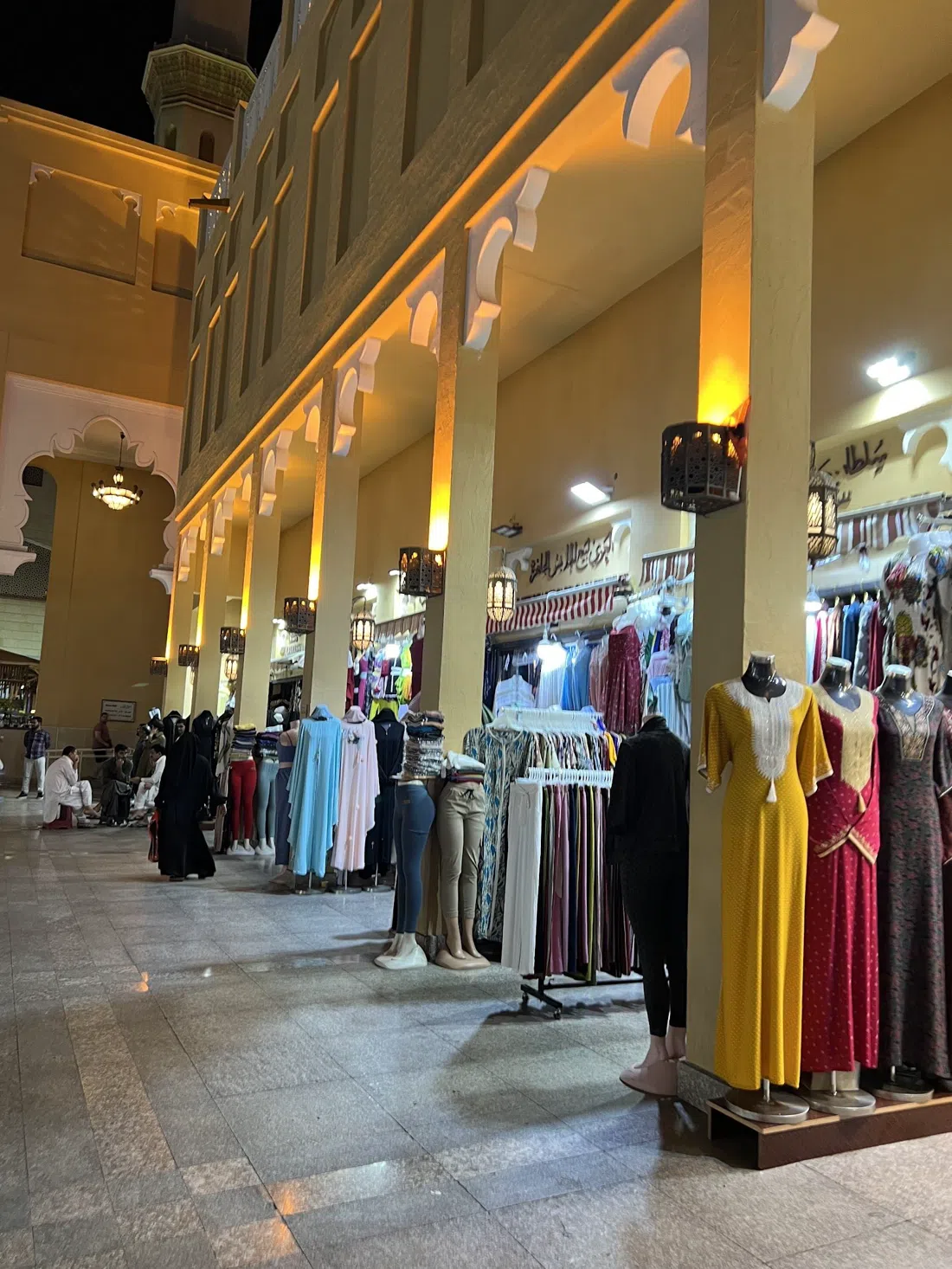
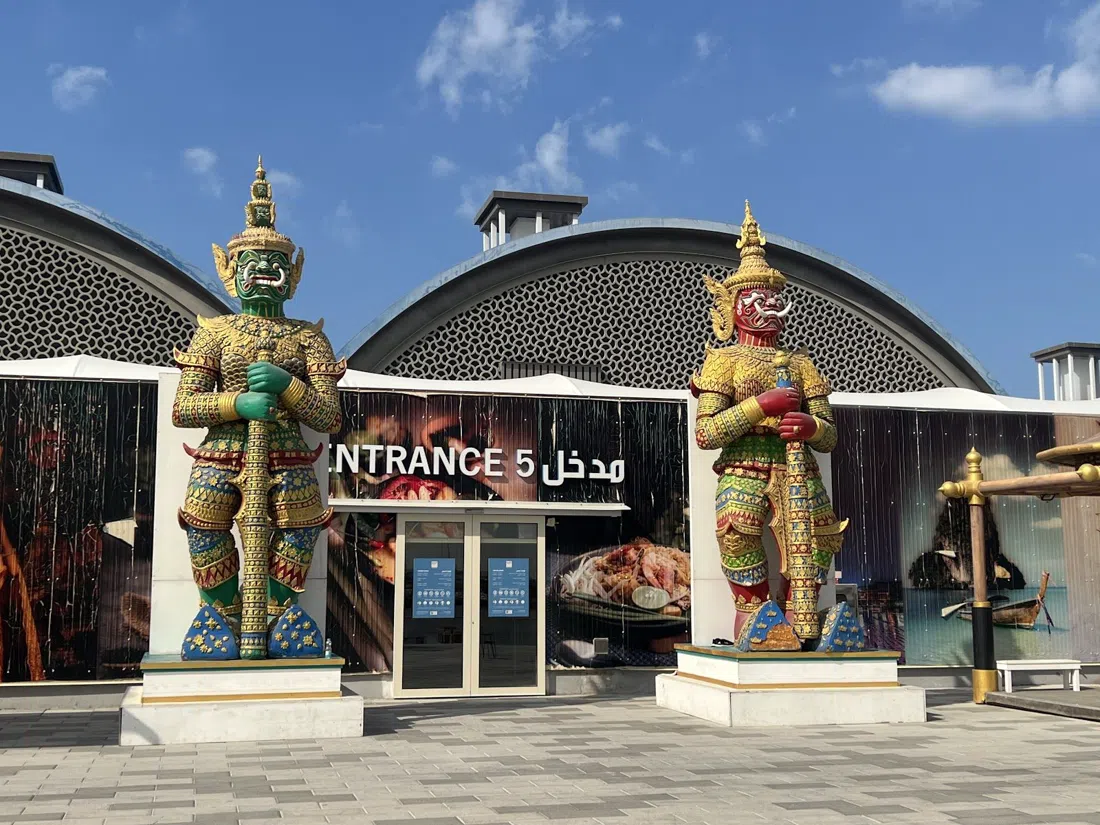
The title of this piece promises a new age, and that's not metaphorical — it's a short taxi ride to Souk Al Marfa (outside Old Deira), DP World and Nakheel's built-from-scratch reinvention of the same spice-and-textile trading model. Wide, climate-controlled aisles replace narrow alleys, but the goods and the wholesale logic are recognisably the same business the Spice Souk has run since the 1850s, just re-engineered for volume and container logistics instead of dhow holds. It's free to browse and genuinely built for heavy foot traffic, and it's the right place to end a piece about old trade adapting rather than dying — proof the instinct behind the Spice Souk didn't disappear, it just got air conditioning.
Two further stops round out the theme if you have a full day rather than a half-day route. The Waterfront Market (Deira) does to produce and seafood what Souk Al Marfa does to wholesale goods — an overnight auction and heavy vendor turnover inside a large, air-conditioned hall, the same barter energy as the Spice Souk moved indoors. And the Al Ghurair Centre (Deira), which opened in 1981, closes the historical arc on paper: it was built by one of Deira's original souk-trading families, taking the same trading instinct that ran the spice stalls and turning it into the region's first shopping mall. You don't need to linger at either — a short stop is enough to see the throughline — but they're the clearest evidence that the trade never really left Deira, it just kept changing shape.
Getting There, Timing and Budget
The whole route sits on both banks of Dubai Creek in Deira and Bur Dubai, connected by the traditional abra crossing (around AED 1 per person, cash only, and the correct way to make the journey rather than a taxi over the bridge). Start early — 8 to 10am — before the heat and the coach groups both peak; the souks reopen after the midday closure around 4pm and run busy into the evening, which is also the more atmospheric time to see the Spice and Gold Souks lit up. Carry small notes in dirhams for the souks themselves; card machines exist but bargaining works better with cash in hand, and the abra doesn't take cards at all. Budget-wise, browsing costs nothing beyond what you choose to buy — spices, oud and textiles are the real expenses, gold is priced transparently by weight so there's little to overpay on if you ask for the day rate, and a sit-down meal at Bait Al Wakeel is the one fixed cost worth planning for. The whole walk, spice souk to dhow wharfage with a perfume and gold stop in between, comfortably fits a morning; add Souk Al Marfa or the Waterfront Market only if you're building a full day around Deira's trade history rather than a single walking loop. For where to base yourself before or after, see this Dubai guide, and for options near the creek itself, start with a Dubai hotel search.